
Knife at the Hip
On the uncertain art of writing a novel


Definitely icy. Definitely cold. Arctic. But also? A little bit like Terry Gilliam’s setting for Brazil. That 1940’s everything-is-made-of-dark-green-metal look. I can see the tents, the mythical equipment, the landscape, and I seek the language to describe it for the reader.
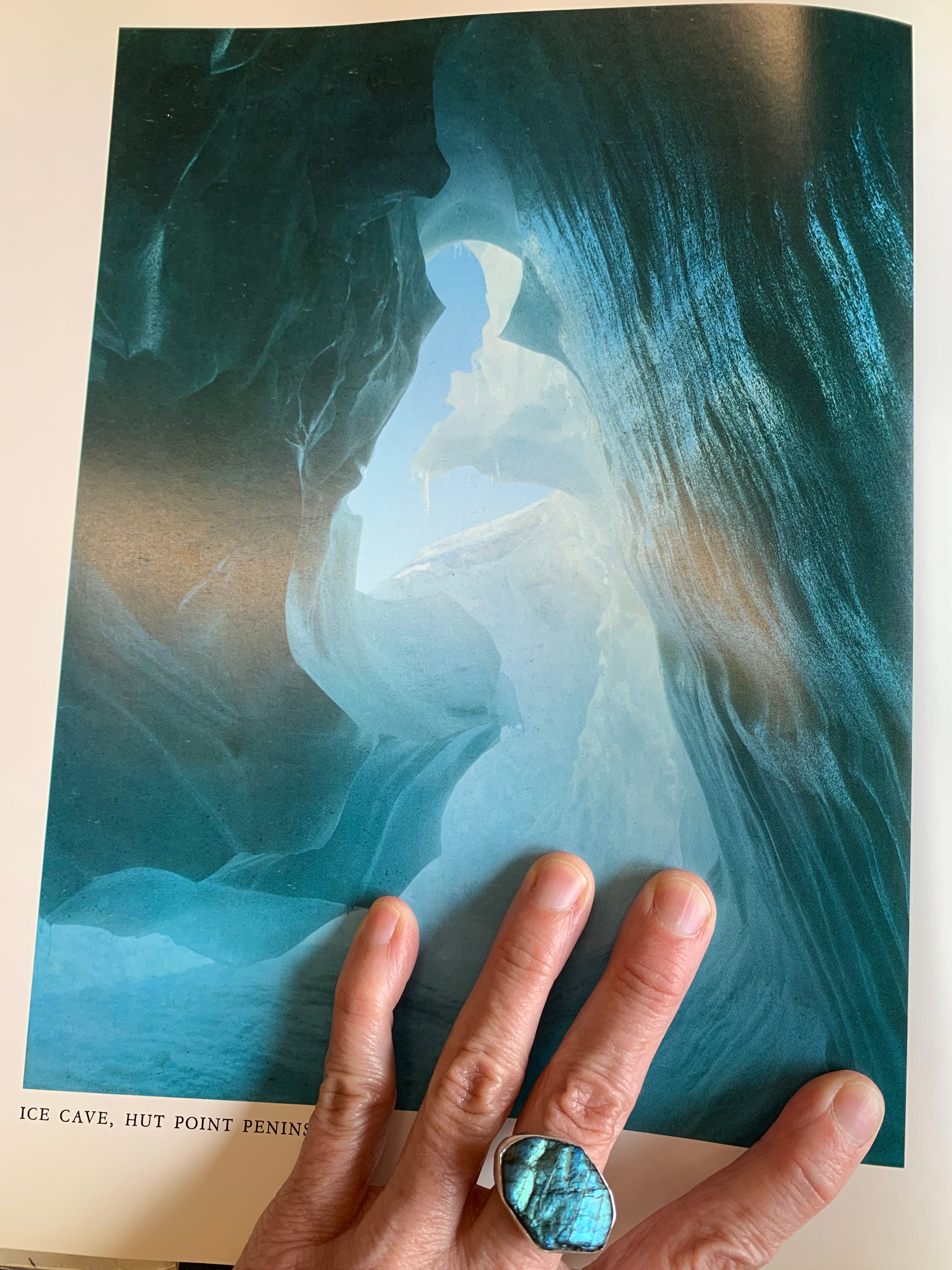
Writing a novel is a quest of mythical proportions, mostly internal, and I am on that quest again. Because modern society loves to view everything as work, everything as product, many writers fall into the trap of becoming embattled with their writing project. Positioning it as a fight. A torment. I prefer to be in love with it. To marvel at the audacity of it. To allow the magic of my brain to unfold and show itself to me. To trust that it will. To accept the fact of an imagination so loud and so insistent about transcribing images into black and white squiggles on a page. I devote myself to this quiet, solitary dream. A traveling inward. As you write, though, it starts to take shape in the world, making itself known to others, changing you, too.
A quest requires a great deal of uncertainty. It’s not a trip with a packing list and an agenda and a suitcase and plane tickets. It’s not a civilized act. It’s more like a knife at the hip, canteen, jerky, plus a vague-idea-of-heading-somewhere situation.
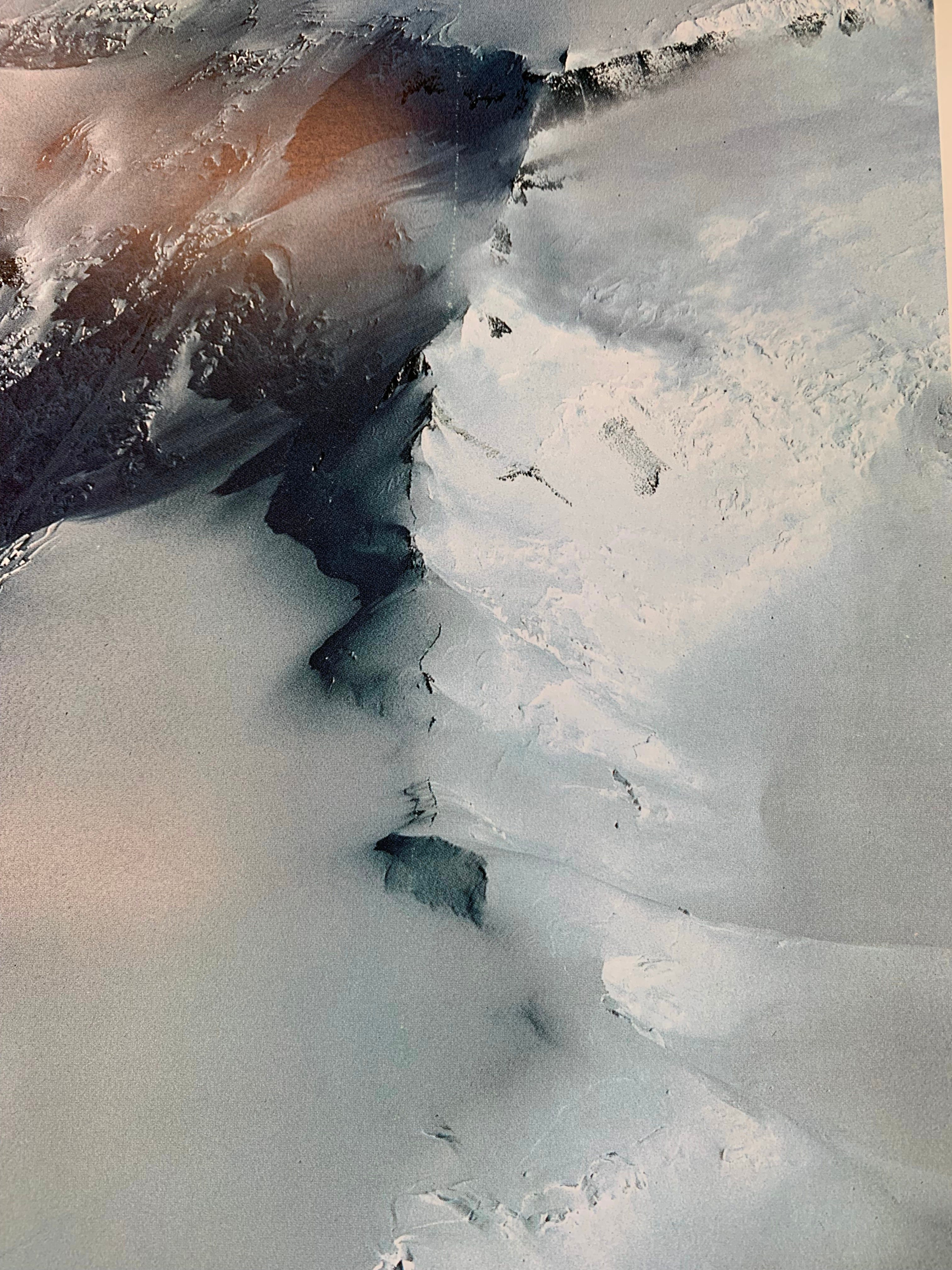
The book I’m writing takes place in a slant* version of Antarctica. No penguins or seals. The creatures who roam the ice are definitely “other.” Nooks. A massive white wolf. Snow worms. I’m learning about the characters, the relationships, the histories, the plot as I write this book. I let the worldbuilding tell me when I’m ready to actually build. In the early months of the quest, if I’m following a scene and don’t have the details, I simply draw lines into the text, blanks I’ll fill in later, for stuff like place names, human names, invented foods, etc.
But I’ve come to a moment in this quest where I need to fill in those blanks. The reward of devoting yourself to quests of uncertainty is learning what tools to use.
When I wrote my first novel (set in a slant* version of the Outer Banks), I went to a little library in my town and found the biggest photographic books I could find on coastal landscapes, fish, fishing, and the lives of humans living on coastal banks. I printed the photos that spoke to me (in black and white on the dilapidated library copier) and hung them with clothespins from strings I strung across my study. This was a way to immediately place myself in the setting. A way to cut through the noise of the external life and shortcut into the quest.
You never know, on a quest, where the next lead will come from. One of my many jobs at the time was assisting an elderly woman in the sorting of her memorabilia. As I slid old photos from a bin, I found the faces (the expressions, more to the point) of characters in my novel. She exclaimed, “I don’t even know who those people are,” but I absolutely did. She gave the photos to me, and I added them to my strings.
On my current quest, the lines blank of information crowded me. I needed to nail down details, to understand where I was, to bring the next incarnation of my text into focus, but I’d forgotten how to get there. Then my friend and fellow writer, Tim Dyke, met me in Denver and we found ourselves in the library, as we always do. Before I even thought about what I was doing, I found myself pulling massive photo books of Antarctica off the shelf, along with collections of images from Lewis & Clark, Scott, and Shackleton’s expedition maps, photos, and notes.
This time, because there is such a particular blue to the ice, I think I will print them out in color. I will string them all the way across the room. This is an act of devotion to the slant. To make my inner quest tangible, I build a shrine to the dream in my head. My Antartikash, the mythical apparatus I dream up, lives in these photographs. Not as research, but as permission. With them, I stay inside the love.
By the time I’ve strung those photographs across the room, learned the particular blue of glacial ice, named the creatures who roam that impossible landscape, I am not the same woman who first put pen to page. The book demands that I become someone who can contain it, and then I give it away.
*(Emily Dickinson’s “Tell all the truth but tell it slant -” is at the heart of my magical realism)
Note: As the founder of the Fifth Brain Collective, I started this writing community to liberate other writers into the freedom of their texts with the caveat that I must always make time for my own writing. The novel I’m writing is mostly taking place in 20-minute increments during FBC membership meetings. I’ve been conducting an experiment to see if I can write a whole book in 20-minute sections, in response to the prompts I create for the collective members. Since the fall when I started it, I’ve filled four notebooks with this novel. The experiment is succeeding.
 | A guest post by
|
I needed this post. I will always need this post since it accompanies me in this uncertain terrain of novel-writing. How beautifully and succinctly and viscerally you describe this process--a process both imaginative (the characters we recognize when we see them) and concrete (the research, the libraries, the images strung across the writing space). This is such a gift to writers. Thank you, Frankie!